

The Chemistry of Osmosis
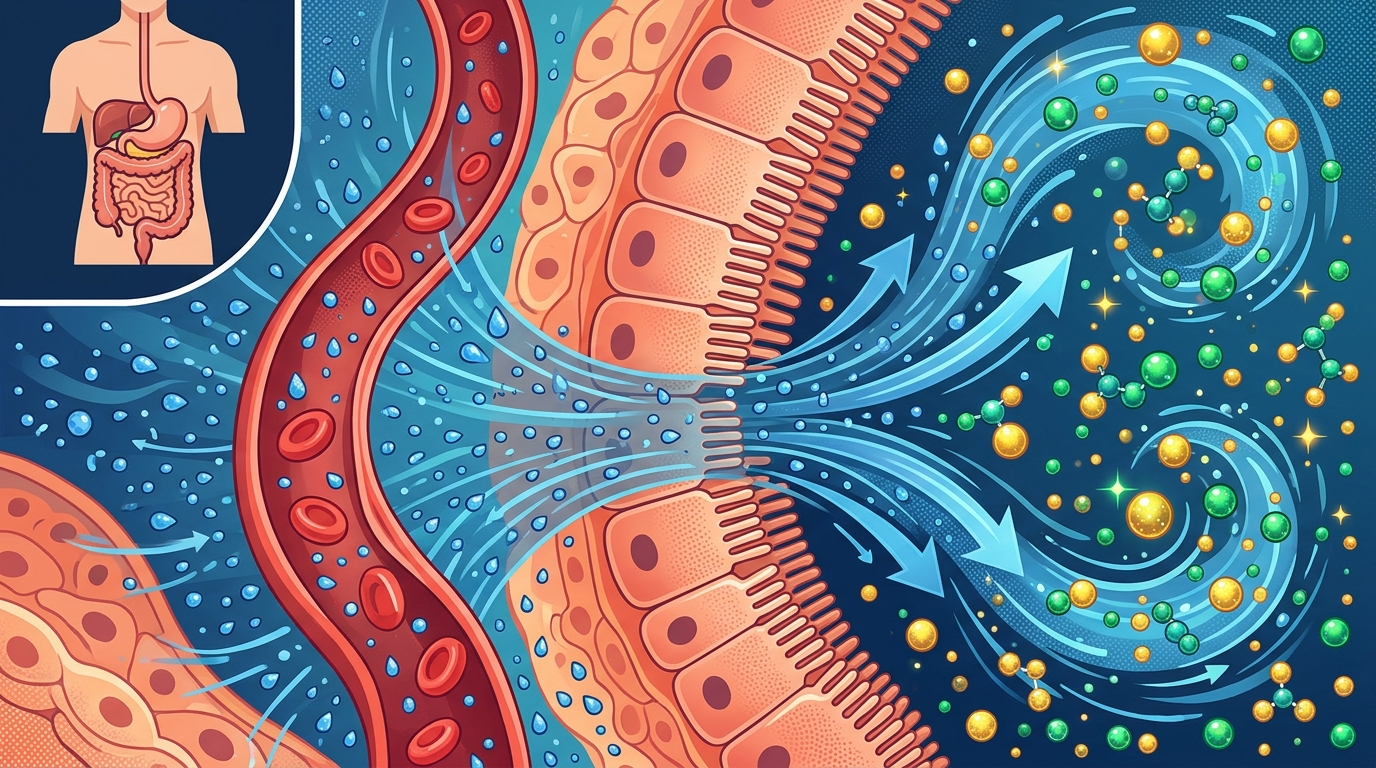
Osmosis is the movement of water across a semipermeable membrane from an area of lower solute concentration to an area of higher solute concentration. When magnesium citrate enters the digestive tract, it dissociates into magnesium ions and citrate ions. These ions create a higher solute concentration in the gut lumen compared to the surrounding tissues. The body responds by moving water from the bloodstream and surrounding tissues into the intestine to equalize the concentration. This physical process is the primary driver of the laxative effect. If you have questions about this mechanism or your order, you can contact our support team.
Role of the Citrate Salt
The specific form of magnesium matters for how it behaves in the gut. Magnesium citrate is a salt formed from magnesium and citric acid. Unlike less soluble forms, magnesium citrate dissolves well in liquid. This high solubility allows the ions to remain in the intestinal lumen rather than being absorbed quickly into the bloodstream. Because the ions stay in the gut, they continue to exert an osmotic pull. This sustained presence ensures that water is drawn into the bowel over a longer period, facilitating a more complete bowel movement.
Impact on Stool Consistency
The water drawn into the gut directly affects the physical properties of stool. As water content increases, stool becomes softer and bulkier. This change in consistency makes it easier to pass without straining. The osmotic effect also stimulates the natural peristaltic movements of the intestines. These muscular contractions help move the softened stool through the colon more efficiently. The result is a bowel movement that is typically looser and more frequent than usual. For additional details, review the Magnesium Guides and Resources.
Individual Variability in Response
Not everyone responds to magnesium citrate in the same way. Factors such as baseline hydration, diet, and gut health influence the degree of the osmotic effect. Some individuals may experience a mild increase in bowel movement frequency, while others may notice a more significant change. The body's ability to regulate water balance also plays a role. If the body is already well-hydrated, the osmotic pull may be less pronounced. Understanding these variables helps set realistic expectations for the supplement's effects. For additional details, review the Terms of service.
Safety and Dosage Considerations
While the osmotic mechanism is natural, dosage is critical for safety. The National Institutes of Health (NIH) sets an upper tolerable intake level for supplemental magnesium. Exceeding this limit can lead to excessive water loss and electrolyte imbalances. It is important to follow the recommended dosage on the product label. For those using PhiNaturals Magnesium Citrate, the 400 mg per capsule dose is designed to provide support without exceeding safe limits. Always consult a healthcare provider if you have kidney issues or are taking other medications.
Key Takeaways
- Osmosis is the movement of water across a membrane to balance solute concentrations.
- Magnesium citrate dissociates into ions that create a high solute concentration in the gut.
- High solubility allows magnesium citrate to remain in the intestinal lumen longer.
- The influx of water softens stool and increases bowel movement frequency.
- Individual factors like hydration and diet affect the strength of the osmotic response.
- Adhering to recommended dosages prevents excessive water loss and electrolyte imbalance.
Frequently Asked Questions
What is osmosis in the context of digestion?
Osmosis is the passive movement of water across a semipermeable membrane from a region of lower solute concentration to a region of higher solute concentration. In digestion, this process helps regulate fluid balance in the intestines.
Why does magnesium citrate stay in the gut?
Magnesium citrate is highly soluble and dissociates into ions that are not fully absorbed in the small intestine. These ions remain in the intestinal lumen, where they continue to draw water via osmosis.
Does magnesium citrate cause dehydration?
Magnesium citrate draws water into the gut, which can lead to fluid loss through stool. To prevent dehydration, it is important to drink adequate water while taking the supplement.
How quickly does the osmotic effect occur?
The osmotic effect typically begins within a few hours of ingestion. The timing can vary based on individual metabolism and the specific dosage taken.
Is the laxative effect of magnesium citrate safe?
When taken within recommended limits, the osmotic effect of magnesium citrate is generally safe. However, excessive doses can lead to diarrhea and electrolyte imbalances, so following label instructions is crucial. Learn more: Contact information MagnesiumCitrate com.